Before the Boardwalk Gets Busy: A Spring Game Plan for Dana Point's Summer Pet Hazards

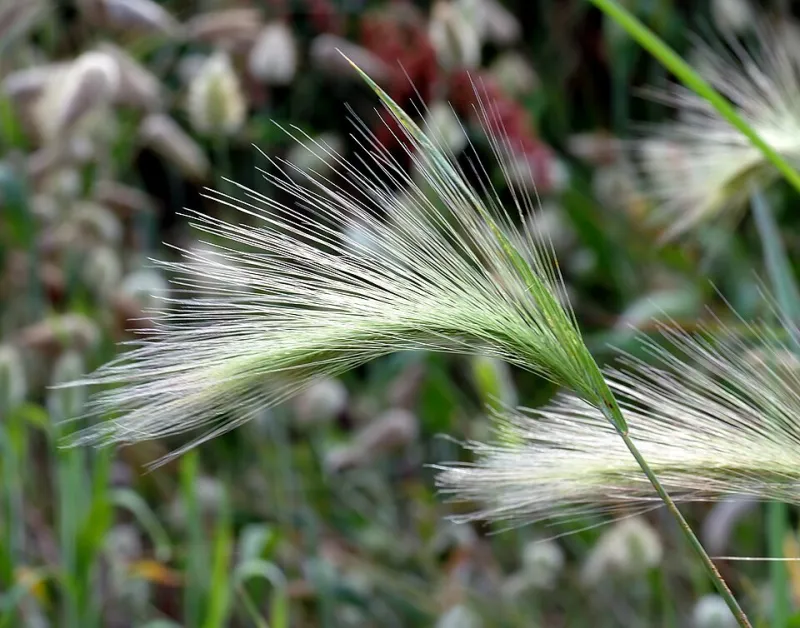
Photo: 鄧南光, Public domain, via Wikimedia Commons
Ask most pet owners when animals get sick, and they'll picture a chilly January morning. Around Dana Point Harbor, our calendars tell a different story. The busiest stretch of the veterinary year kicks off in June and doesn't slow down until the kids go back to school. Heatstroke, snake encounters, stomach bugs picked up from puddles and tide pools — summer is our silent season of sickness, and the best time to fight it is right now, in spring, before the boardwalk gets busy.
Why Summer Sneaks Up on Coastal Pets
You'd think the mild marine layer would insulate us from heat emergencies. And it's true that Dana Point rarely sees the triple-digit misery of the Inland Empire. But that's exactly the trap. Dogs here aren't heat-conditioned, and neither are their owners. A 78-degree afternoon with zero ocean breeze can turn a harbor walk into a medical emergency for a husky, a senior lab, or any flat-faced breed like a French bulldog.
Add to that the seasonal population surge — tourists, beach days, more dogs on more trails — and the odds stack up fast. More feet on trails means more rattlesnake encounters. More dogs sniffing around shared grass, standing water, and dog park turf means more giardia. Summer fun, it turns out, is a numbers game.
The Big Three Summer Risks
1. Heatstroke. Dogs don't sweat their way cool; they pant, and panting only works so well when the humidity climbs. Heavy coats, obesity, and brachycephalic (smushed-face) breeds are all risk multipliers. Most heatstroke cases we see aren't from dogs left in cars — they're from well-meaning owners taking their usual midday walk on a day that was ten degrees warmer than expected.
2. Rattlesnakes. Southern California's snakes are most active from spring through early fall, basking on warm trails in the morning and evening. Curious noses lead the way — most bites happen on the face and legs, and they're emergencies no matter how minor they look.
3. Giardia. This microscopic parasite thrives in standing water, wet grass, and — yes — the occasional brackish puddle after high tide. Dogs lap it up on a hot day, and a week later you're dealing with diarrhea, dehydration, and a very unhappy household.
Your Springtime Prep Checklist
The good news? All three risks are largely preventable with a few weeks of lead time. Here's what we recommend doing before Memorial Day:
- Time your vaccines strategically. The canine influenza and bordetella vaccines matter most when dogs are around other dogs — boarding, dog beaches, patio hangs. Book them 2–3 weeks before your summer travel plans so immunity is fully on board. Leptospirosis is another one worth discussing; it spreads through water contaminated by wildlife urine, and coastal California has its share.
- Book the coat trim early. Groomers get slammed in June. A light trim (never a full shave — coats actually insulate against heat) in late spring helps double-coated breeds breathe easier. Ask your groomer about a de-shedding treatment instead of clipping.
- Rethink your walking schedule now, not in July. Start shifting walks to early morning or after sunset while it's still comfortable, so the habit is locked in before the heat arrives. The seven-second asphalt test — press the back of your hand to the pavement — should become second nature.
- Build a hydration routine. Get your dog used to drinking from a portable bowl on walks now. Dogs who only drink at home often won't hydrate on the go, and that's a problem on a warm trail day.
- Consider rattlesnake avoidance training. Several Southern California trainers offer snake-aversion clinics in spring. It's a one-afternoon investment that can genuinely save a life.
- Know the giardia warning signs. Soft stool, straining, mucus, sudden accidents. Catch it early and it's a quick treatment; catch it late and you're managing dehydration.
- Refresh your parasite prevention. Fleas, ticks, and mosquitoes don't take summers off in our climate. If you lapsed on preventives over the winter, restart now — before the peak season.
A Note on Water Safety, Too
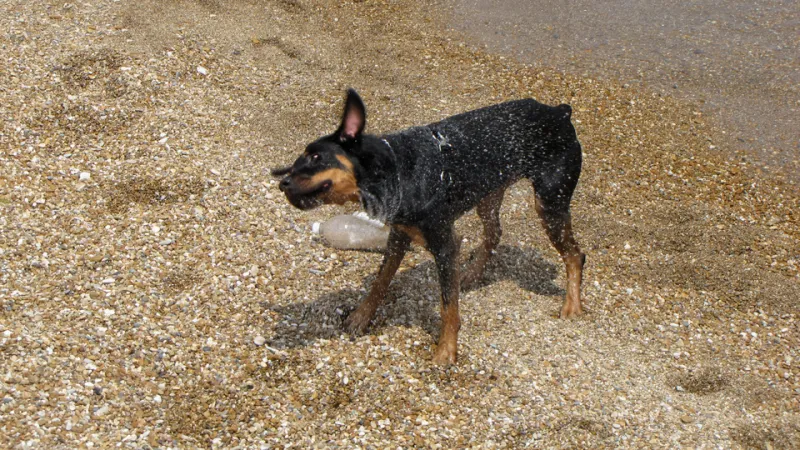
Summer at the harbor means more dogs in and around the water. Not every dog is a natural swimmer, and ocean currents, boat traffic, and algae in stagnant ponds all add risk. A well-fitted dog life jacket for paddleboard and dinghy adventures is cheap insurance. And after any swim, a quick rinse helps protect skin and paws from salt and sand irritation.
The Takeaway
Winter never really shows up in Dana Point — but summer absolutely does, and it arrives with a full guest list. The pets who cruise through the season happy and healthy are the ones whose owners did the unglamorous work in April and May: vaccines, trims, training, and habits. If you're not sure whether your pet's records are summer-ready, spring is the perfect time for a quick check-in. Beat the rush, beat the heat, and enjoy every minute of harbor season.