Itchy in the Marina: Why Salt Air Wrecks (and Sometimes Helps) Your Pet's Skin
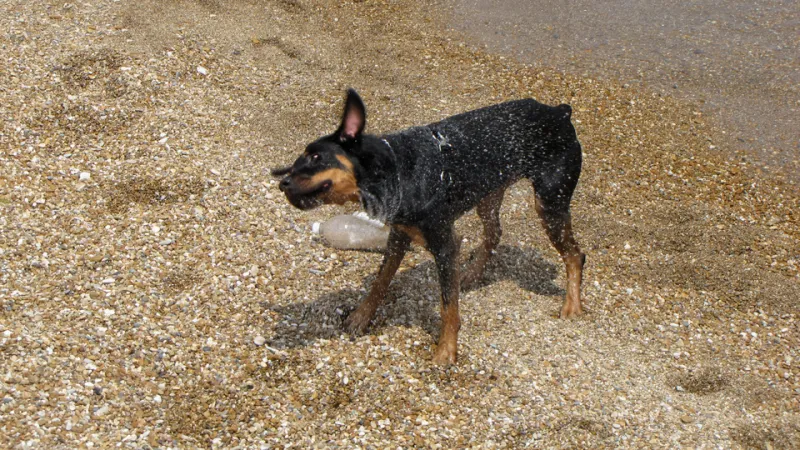
Photo: Ben Schumin from Montgomery Village, Maryland, USA, CC BY-SA 2.0, via Wikimedia Commons
There's a lot to love about raising a pet in Dana Point. Morning fog rolling off the harbor, leash-friendly paths, the smell of salt in the air. But if you've noticed your dog scratching more than usual or your cat's coat looking a little dull despite good food, the coastal environment itself might be part of the picture.
Salt air and constant moisture create a very specific set of skin challenges — and the pets who swim, splash, and stroll the marina tend to meet them head-on. The good news? A simple routine can prevent most of it.
The Moisture Problem Nobody Talks About
Humidity is underrated as a skin troublemaker. When the air stays damp, moisture lingers in the coat and between paw pads, softening the skin barrier. That softened barrier is easier for bacteria and yeast to colonize — which is why we see more hot spots, greasy skin, and paw licking in coastal dogs than in inland ones.
Cats aren't immune either. Indoor cats near the coast deal with the same humidity, and because they groom themselves, they can ingest more salt residue off their fur than you'd expect.
Ears: The #1 Coastal Complaint
If your dog swims at Doheny or splashes in the surf, listen up. Floppy-eared breeds like Labs, Golden Retrievers, and Cocker Spaniels trap water in the ear canal, and a warm, wet ear canal is basically a petri dish. Chronic ear infections are the single most common dermatology issue we treat in water-loving dogs.
Warning signs of an ear infection:
- Head shaking or head tilting
- A yeasty or sour smell from the ears
- Redness, swelling, or dark discharge
- Scratching at the ears or rubbing them on furniture
After every swim, dry your dog's ears thoroughly with a soft towel. For frequent swimmers, a vet-approved ear drying solution once or twice a week makes a real difference. Never use cotton swabs deep in the canal — you'll just push debris further in.
Paws, Salt, and the Beach Factor
Sand and saltwater are rough on paw pads. Salt crystals can work their way between the toes, causing irritation and licking that leads to sore, raw skin. Beach walks at low tide expose paws to shell fragments and hot sand in summer, too.
Make a habit of rinsing paws with fresh water after beach days, then drying them completely — including between the toes. A dog-safe paw balm adds a protective layer if your pup is a regular at the shoreline.
A Simple Coastal Coat Care Routine
You don't need anything elaborate. Consistency beats complexity every time:
- Rinse after saltwater exposure. Fresh water, no shampoo, just a quick rinse to remove salt and sand.
- Bathe every 3–4 weeks with a gentle, moisturizing shampoo. Over-bathing strips natural oils; under-bathing lets salt residue linger.
- Brush weekly (or daily for heavy shedders). Brushing distributes oils, removes trapped sand, and lets you spot lumps, mats, or skin changes early.
- Dry completely after water exposure — coat, ears, and paws.
- Check for fleas year-round. Coastal Southern California never gets cold enough to kill them off.
When to Call the Vet
Some itching is normal. But if your pet is scratching to the point of hair loss, has open sores, a persistent odor, recurring ear infections, or is chewing at their paws constantly, it's time for an exam. Chronic skin issues often point to allergies, which tend to flare in coastal environments due to year-round pollen and mold in the humid air.
The sooner we look, the easier these problems are to manage. Living by the harbor should be a treat for your pet — with a little prevention, their skin and coat can enjoy it as much as the rest of them does.