When the Ocean Bites Back: A Coastal Pet Health Guide for Harbor-Loving Dogs and Cats

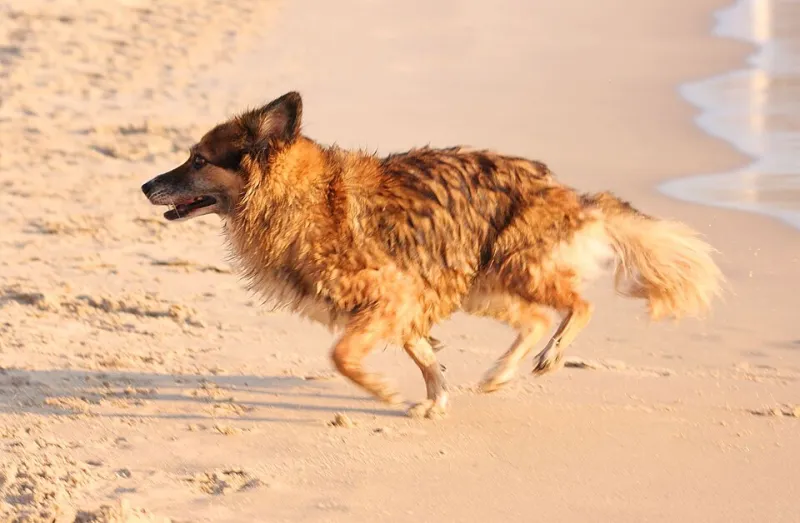
Photo: Epolk, CC BY-SA 3.0, via Wikimedia Commons
There's nothing quite like watching your dog bound along the shoreline at Doheny State Beach or trot happily beside you on the Harbor Promenade. Coastal living is a gift — for us and for our pets. But the marine environment comes with a set of health hazards that inland pets simply never encounter. At Dana Point Harbor Vet, we see the aftermath of ocean fun every week, and most of it is completely preventable with a little know-how.
Seawater Is Not a Sports Drink
Dogs working up a zoomies-level sweat on the sand will drink almost anything — including the ocean. The problem? Seawater has a salt concentration far higher than your dog's body can handle. Drinking it pulls water into the gut, causing vomiting and diarrhea, and in larger amounts it can lead to serious electrolyte imbalances.
The tricky part is that saltwater dehydration mimics ordinary overheating: lethargy, excessive thirst, wobbliness. If your pup has been swimming or playing in the surf and seems off afterward, mention the ocean time when you call us.
Prevention is simple: pack fresh water and a collapsible bowl on every beach trip, and offer it often — before your dog gets desperate enough to lap up the Pacific.
Sand: Fun to Dig, Terrible to Eat
It happens more than you'd think. A dog flinging sand around during play inevitably swallows some, and a few dogs eat it deliberately. Sand accumulates in the intestines and can form a firm, painful mass — a condition called sand impaction that sometimes requires hospitalization.
Watch for repeated vomiting, constipation, a swollen or tender belly, or straining without results after a sandy play session. Limit digging games, steer your dog away from sand-eating habits, and rinse them off before they groom sandy paws at home.
Stingrays, Jellies, and Other Locals
Our harbor neighbors can pack a punch. Stingrays rest in the shallow, warm water along Southern California beaches, and a startled ray delivers a painful, venomous barb wound to the foot or leg. The classic advice — the "stingray shuffle" — applies to dogs too: shuffle your feet, and keep your dog from splashing through calm, shallow shallows at dawn or dusk.
Jellyfish, though less common here than further south, can still wash ashore. Even a stranded, seemingly dead jelly can sting a curious nose or paw. If your pet gets stung, rinse the area with seawater (not fresh water, which triggers more venom release), remove any tentacle fragments with tweezers, and give us a call — especially if there's facial swelling, vomiting, or difficulty breathing.
The Moisture Problem: Ears and Skin
Here's the risk most owners overlook. Dogs with floppy ears — Labs, Spaniels, Retrievers, plenty of our harbor regulars — are walking petri dishes after a swim. Water trapped in the ear canal creates the warm, humid environment yeast and bacteria love. Chronic swimmer's ear is one of the most common issues we treat in coastal dogs.
Signs to watch for:
- Head shaking or tilting
- Scratching at the ears
- Redness, odor, or dark discharge
A quick drying ritual after every swim helps enormously. Gently wipe the outer ear with a soft cloth or a vet-approved drying solution — never insert cotton swabs into the canal.
Skin is the other moisture casualty. Damp fur held against the skin, especially under a collar or harness, invites hot spots: raw, oozing, intensely itchy patches that can expand alarmingly fast. Rinse off salt, sand, and irritants after beach days, and towel-dry thoroughly.
And cats? Indoor cats skip the surf, but coastal humidity still fuels ear and skin issues, and outdoor-access cats near the harbor face the same stings and salt-licked puddle hazards. Check their coats and ears regularly, especially in the muggy summer months.
Your Post-Harbor Checklist
After a day by the water, take five minutes:
- Offer plenty of fresh water
- Rinse coat and paws with fresh water
- Towel-dry thoroughly, ears included
- Check paws for cuts, embedded debris, or pads cracked from hot sand
- Keep an eye on appetite, energy, and bathroom habits for the next 24 hours
When to Call Us
Some things warrant more than a watchful eye. Contact Dana Point Harbor Vet if your pet shows persistent vomiting or diarrhea, a swollen belly, limping or a bleeding paw, signs of a sting, or ear symptoms that don't clear within a day or two.
The ocean is one of the best parts of life here — for your whole family, whiskers included. With a few habits in place, you can keep every harbor day a happy one. Questions about your beach-ready pet? We're right here at the harbor, ready to help.