Before Your Dog Dips a Paw: A Dana Point Beach Safety Checklist
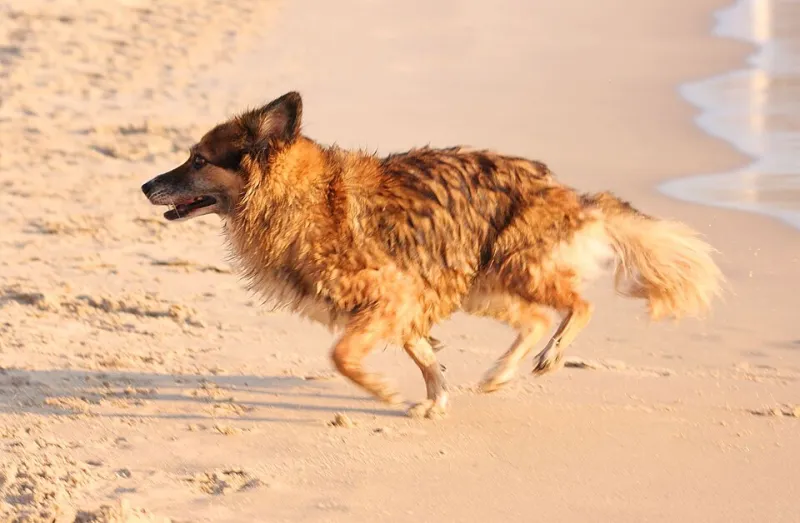
Photo: photos8.com, CC BY 2.0, via Wikimedia Commons
There's nothing quite like watching your dog bound across the sand at Doheny State Beach, ears flapping, nose full of ocean air. We see the joy on both ends of the leash every weekend. But as the team at Dana Point Harbor Vet will tell you, the coastline we love comes with a few hazards that inland dog parks never present.
Here's our practical rundown of the seven most common beach-day problems we treat — and how to keep them from ruining your afternoon.
1. Saltwater Isn't a Water Bowl
Dogs drinking from the ocean is one of the most frequent reasons we see sick pups in summer. A quick lap or two usually isn't a problem, but a full afternoon of gulping waves can cause what's called beach diarrhea — or worse, salt toxicity, which leads to vomiting, tremors, and dehydration.
The fix: Pack more fresh water than you think you need, and offer it often. A dog who's already hydrated is far less interested in the sea.
2. Sand Burns Are Real
Midday sand in Southern California can hit temperatures that blister paw pads in minutes. Test it the way you'd test pavement: press your palm down for seven seconds. If you can't hold it, your dog can't walk on it.
The fix: Hit the beach early in the morning or after 5 p.m., and steer your pup toward the wet sand near the tide line, which stays dramatically cooler.
3. Jellyfish and Stingrays
Washed-up jellyfish still pack a sting, and curious noses find them fast. Stingrays, meanwhile, rest in the shallow warm water that dogs love to splash through — a sting to the muzzle or leg is painful and swells quickly.
The fix: Do the "stingray shuffle" yourself, keep your dog out of still, shallow water on warm days, and scan the sand ahead of your walk.
4. Heat Exhaustion Comes On Fast
Humidity off the water plus a thick coat plus a game of fetch is a recipe for overheating. Heavy panting, thick drool, wobbliness, or bright red gums mean it's time to stop playing and start cooling.
The fix: Build in shade breaks every 20 minutes, and never let your dog "push through" the fun. Brachycephalic breeds — think Bulldogs and Pugs — should keep beach visits short and sweet.
5. The Tide Pool Snack Problem
Dead fish, crab shells, kelp, and yes, other dogs' leavings are all fair game to a scavenger. Rotting marine life can harbor bacteria that cause serious GI upset.
The fix: A solid "leave it" command is worth its weight in treats. Keep an eye on the sniffing — it's the first step before the swallowing.
6. Fishing Gear and Sharp Debris
Our harbor is a working one, which means the occasional hook, line, or broken bottle finds its way to the sand. A swallowed hook is a surgical emergency.
The fix: If you see line or a hook, don't try to pull it out — call us right away.
7. Rip Currents and Sudden Drops
Strong swimmers can still get pulled out. Waves that look small to you can knock a small dog off its feet and drag it seaward.
The fix: A well-fitted life vest is cheap insurance, especially for older dogs, short-legged breeds, and any pup new to the water.
Pack a Doggy Beach First-Aid Kit
Keep a small bag in your trunk stocked with:
- Fresh water and a collapsible bowl
- Saline rinse (for sand in eyes or a jellyfish brush-off)
- Gauze and self-adhering wrap for pad cuts
- Tweezers and a tick tool
- Pet-safe paw balm
- Your vet's number and the nearest 24-hour emergency clinic
When to Call Us
Some things warrant a same-day visit: persistent vomiting after saltwater, limping that doesn't resolve, a sting with swelling near the face, or any heat exhaustion symptoms. Dana Point Harbor Vet is right here in the harbor, and we'd always rather check a worried pet than treat a worse problem tomorrow.
The coast is one of the best places in California to be a dog. A little preparation keeps it that way — so all you're left carrying home is sand, and plenty of it.