From Shaky Tail to Happy Tail: How to Make Vet Day Your Dog's (or Cat's) Favorite Outing
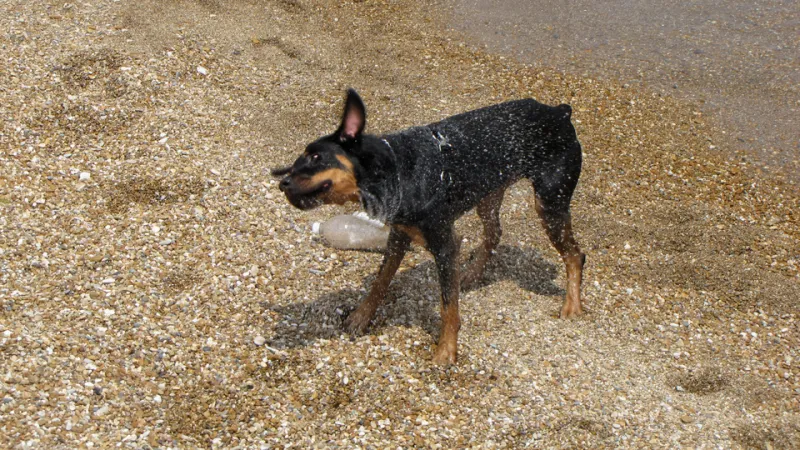
Photo: LeahRudy, CC0, via Wikimedia Commons
If your dog hides behind the couch at the sight of a leash on a Tuesday morning, or your cat vanishes the second the carrier creaks open, you're not alone. Studies suggest that a large chunk of pet parents skip or delay vet visits because their animals find them stressful — and honestly, who can blame them? Strange smells, slippery tables, and a parade of unfamiliar faces would rattle anyone.
The good news? With a little prep, most pets can learn that a trip to the vet is just another adventure — ideally one that ends with a treat and maybe a sniff around the harbor.
Start Weeks Before the Appointment
Vet visit anxiety usually begins at home, not in the exam room. The carrier that only appears once a year becomes a signal of doom. The car that only runs to the vet becomes a trigger.
Break that association:
- Leave the carrier out permanently. Toss in a soft blanket, a few treats, and let your cat claim it as furniture. Some cats will nap in it within a week.
- Practice short, boring car rides. Drive a loop around Dana Point, end at a fun spot — the beach path, a friend's yard — and head home. No exam, no needles, just a pleasant outing.
- Handle with care. Gently touch your pet's paws, ears, and mouth at home while doling out treats. This mimics what happens during an exam and makes the real thing feel routine.
Fear-Free Waiting Room Strategies
The lobby is where nerves peak, so arrive armed:
- Timing matters. Ask our team about quieter appointment windows. Mid-morning on a weekday beats the Saturday rush every time.
- Keep cats elevated. Place the carrier on your lap or a chair rather than the floor, where curious dogs can wander up.
- Create a visual barrier. A lightweight towel draped over the carrier works wonders for cats. Some dogs benefit from a lick mat smeared with peanut butter — it's hard to panic and lick simultaneously.
- Advocate for space. If another pet is stressed, don't be shy about asking for more room. Most owners understand instantly.
For cats especially, ask us about scheduling so they can be brought straight into an exam room, skipping the lobby altogether. We're happy to accommodate.
Bring the Right Reinforcements
High-value treats — think small pieces of chicken or cheese, not the everyday kibble — do double duty. They reward calm behavior and help our team build positive associations during the visit. If your pet has a favorite toy or smells-like-home blanket, bring it along.
A Tale of Two Personalities: Biscuit's Turnaround
Biscuit, a two-year-old terrier mix rescued through a Southern California shelter, came to us as what his owner lovingly called "a flannel-wrapped scream machine." He'd shake, drool, and try to scale his owner's shoulder the moment we entered the room.
His owner committed to the process. She brought him in for monthly "happy visits" — no exams, just treats, pets from our staff, and a weigh-in on the scale. By the third visit, his tail was wagging before they'd parked. By the sixth, he trotted into the exam room on his own and settled onto the mat for his checkup.
Biscuit's story isn't unusual. Fear-free handling, patience, and repetition genuinely rewire how pets experience care.
What to Do If Anxiety Persists
Some pets — especially those with a history of trauma — need extra support. If your pet is at the panic end of the scale, talk to us beforehand. Options include:
- Pre-visit anti-anxiety medication, prescribed specifically for your pet
- Pheromone sprays like Adaptil or Feliway applied to the carrier
- Early-morning or end-of-day appointments with minimal waiting
There's no shame in medicating for a vet visit. It protects your pet's emotional wellbeing and allows us to do a thorough, accurate exam — a terrified pet can mask symptoms that matter.
The Payoff
Every low-stress visit builds trust for the next one, which means better preventive care, earlier disease detection, and a longer, healthier life by the coast. Bring the treats, take it slow, and let us help your four-legged friend discover that the harbor vet isn't so scary after all.