That Bowl of Ocean Isn't a Water Dish: Keeping Your Dog Safe From Harbor Water Sips
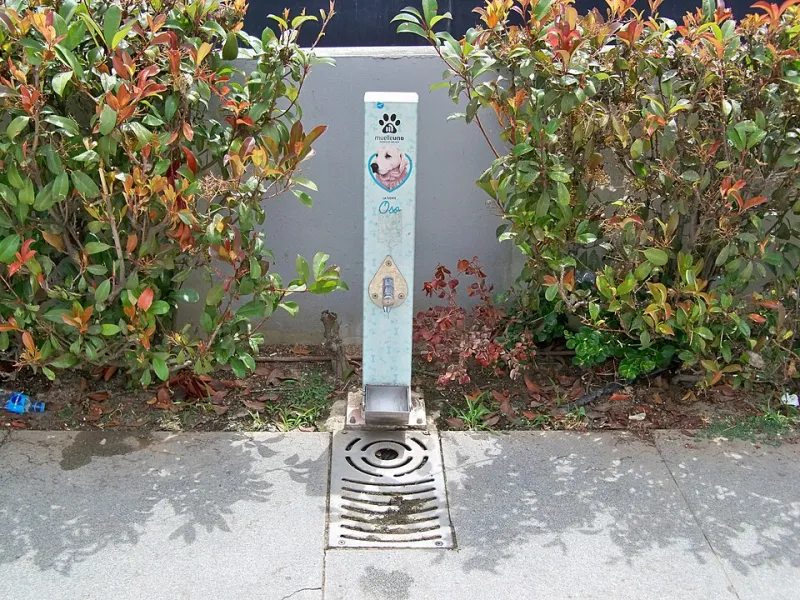
Photo: Daniel Capilla, CC BY-SA 4.0, via Wikimedia Commons
You've seen it a hundred times. Your dog bounds down the dock at Dana Point Harbor, hits the shoreline, and starts lapping away at the water like it's the world's biggest bowl. It looks adorable. It feels natural. But that salty mouthful of harbor water can turn a perfect coastal afternoon into an emergency trip down Pacific Coast Highway.
Let's talk about what's actually in that water, what it does to your dog's body, and how to keep tails wagging without the worry.
Why Harbor Water Isn't Just Salty Water
Dana Point's harbor is a working marina wrapped around a delicate estuary. That means the water carries a cocktail your dog's digestive system was never designed to handle:
- Salt and brine. Even a few gulps of seawater can throw off your dog's sodium balance. The body tries to flush the excess salt, which leads to vomiting, diarrhea, and — ironically — serious dehydration.
- Bacteria. Runoff after rain, boat discharge, and warm summer temperatures all feed bacteria like Leptospira, which can cause kidney and liver damage in dogs.
- Algal toxins. Blue-green algae blooms, common in warm months and slow-moving water, produce toxins that can attack the liver and nervous system. Even small amounts are dangerous.
- Stagnant puddles and tidepools. Don't be fooled by freshwater pockets. Standing water is prime real estate for the same bacteria and parasites.
If your dog drinks enough seawater, the salt draws water out of the intestines, which is why dogs who gulp the brine often seem fine for an hour and then get violently sick.
The Warning Signs Every Coastal Dog Owner Should Know
A single accidental sip usually isn't cause for panic. The trouble starts when dogs drink repeatedly, especially on long beach days when they're hot and thirsty.
Watch for these red flags in the 24 hours after a harbor outing:
- Excessive drooling or pawing at the mouth
- Vomiting or diarrhea (especially with a strong odor)
- Lethargy or weakness
- Loss of coordination or tremors
- Increased thirst that doesn't resolve with fresh water
- Yellowing of the gums or eyes (a possible liver signal)
If you see tremors, seizures, or yellowing skin, that's not a wait-and-see situation. Call us or head to an emergency clinic right away.
Building Better Hydration Habits at the Beach
The fix is simple: never let your dog arrive at the harbor thirsty.
- Water before you leave. Offer a full bowl at home before the car ride.
- Pack more than you think you need. A collapsible bowl and a gallon jug handle most outings. Dogs working hard in the sand can drink surprisingly large amounts.
- Offer water often, not just when they beg. Dogs sometimes won't drink until they're already overheated, and by then they're more likely to gulp whatever's in front of them — including the bay.
- Rinse off after swimming. Saltwater on the coat gets licked off later, adding up to more ingested brine than you'd expect.
- Leash smart near the waterline. A dog on a long lead near the surf has plenty of chances to sneak a drink.
When a Sip Becomes an Emergency
Here's our honest rule of thumb from years of coastal practice: a mouthful or two of seawater usually just means a thirsty dog and maybe some mild stomach upset. But call us if:
- Your dog drank repeatedly or seemed to gulp a lot
- Vomiting lasts more than a couple of hours
- Your dog is a puppy, senior, or has kidney or liver conditions
- Any neurological symptoms appear — tremors, wobbliness, confusion
Don't try to force water or induce vomiting at home. Salt toxicity and toxin exposure both need professional assessment, and early treatment makes a huge difference in outcomes.
One Last Thought From the Harbor
We love that Dana Point dogs get to live their best lives — swimming off the beach, strolling the boardwalk, watching the boats come in. None of that has to change. It just means packing a water bowl with the same care you pack the treats.
Fresh water, offered often, keeps the harbor where it belongs: in the photos, not in your dog's stomach.
If your pup had an unplanned drink and you're not sure whether it's serious, give us a call. Around here, we'd always rather answer a quick question than see a sick pup later.