Boom-Proofing Your Best Friend: A Calm-Night Plan for Dana Point's Fireworks Season
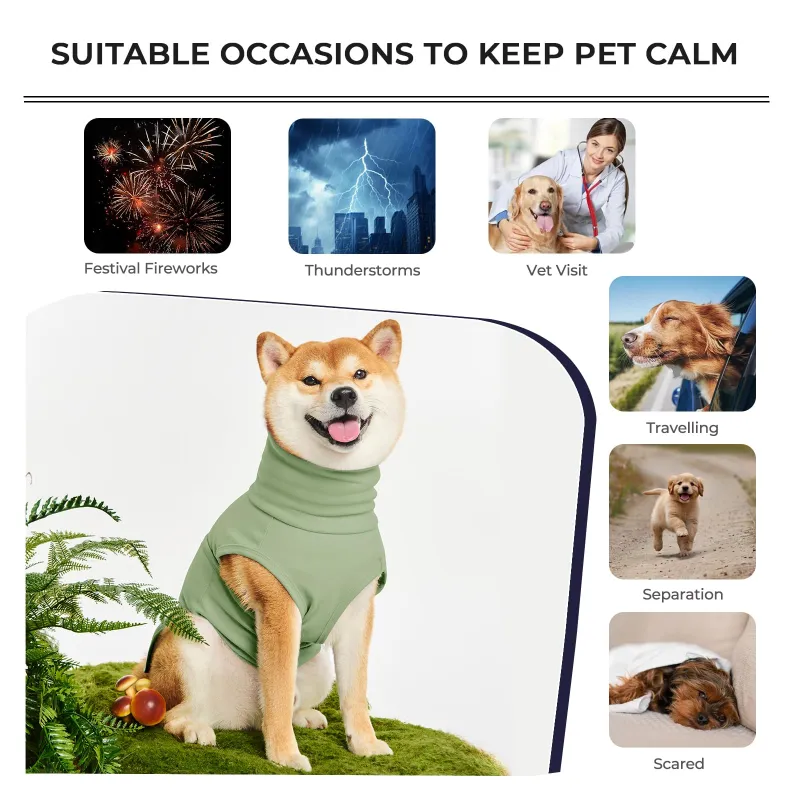
Photo: dog wearing calming anxiety vest during fireworks, cozy indoor safe room, via m.media-amazon.com
Every summer, the sky above Dana Point Harbor lights up in red, white, and blue — and every summer, our phones ring the morning after with the same story: a shaking dog, a torn screen door, a cat missing since the ninth of July. Fireworks are a highlight of the coastal calendar for humans. For pets, they can feel like the world is ending at full volume.
The good news? With a little planning, the loudest nights of the year don't have to be the scariest ones for your four-legged family.
Start Weeks Early: Desensitization Actually Works
If you're reading this in June, you're in great shape. Sound desensitization works best when you begin three to four weeks before the holiday. Play recordings of fireworks at a barely audible volume while your pet eats dinner or plays with a favorite toy. Over several days, slowly raise the volume — always keeping the experience positive and low-stakes.
The goal isn't to convince your dog that explosions are fun. It's to teach their nervous system that booms predict dinner, treats, and calm — not danger. Short, frequent sessions beat long, intense ones. Five minutes a day is plenty.
Build a Safe Room Before You Need One
When the real thing starts, your pet needs a retreat that muffles sound and blocks the flashing light. Pick an interior room — a closet, bathroom, or the space behind the sofa — and make it cozy:
- A crate or bed draped with heavy blankets to dampen noise
- White noise, a fan, or a radio playing soft music to mask the booms
- Windows closed and curtains drawn
- A long-lasting treat or frozen Kong to keep their brain busy
- Water available, since panting pets get thirsty fast
Let your pet choose whether to use the space. Some dogs do better wedged against your leg than alone in a quiet room — and contrary to old advice, comforting a frightened dog will not reward their fear.
Calming Products: What's Worth Buying
Walk into any pet store and you'll find a wall of promises. A few products have real evidence behind them:
- Pressure wraps (like a snug anxiety vest) help some dogs; the research is mixed, but they're low-risk and worth a trial run before the holiday.
- Pheromone diffusers mimic calming chemical signals and have modest support for both dogs and cats.
- Lick mats and food puzzles redirect nervous energy — chewing and licking are naturally soothing behaviors.
Skip anything containing essential oils applied directly to your pet, and be cautious with over-the-counter supplements you haven't discussed with your vet.
When Medication Makes Sense
For pets with true noise phobia — the ones who injure themselves trying to escape, or who don't eat for a full day afterward — desensitization alone isn't enough, and that's okay. Short-term anxiety medication prescribed by your veterinarian can be the difference between a miserable night and a manageable one.
Here's the catch: these medications work best when given before the noise starts, and some require a trial dose ahead of time to check how your pet responds. Call us at least a week or two before the holiday — not at 4 p.m. on July 3rd. If your pet has struggled with fireworks in past years, a quick exam and a plan is one of the kindest things you can do for them.
Timing Your Walks on Holiday Weekends
In Dana Point, the noise doesn't start at 9 p.m. — it starts at dusk, with the occasional rogue firecracker well before that. On holiday weekends:
- Walk early. Aim for a morning or early-afternoon outing and keep evening potty breaks short and close to home.
- Skip the harbor promenade on the evening of the 4th; the crowds, kids, and ambient booms are a lot even for confident dogs.
- Keep the leash on in unfenced areas all weekend. Even normally reliable dogs can spook and bolt.
- Make sure ID tags and microchip registration have your current phone number — now, before the holiday.
If Your Dog Bolts: A Recovery Plan
Even the most prepared owners can lose grip of a leash when a panicked dog twists free. If it happens:
- Don't chase. Running after a frightened dog turns it into a game or pushes it further away. Move calmly, crouch, and use a calm voice or treats.
- Check the obvious spots. Scared dogs rarely run far — they hide under cars, in bushes, or return to the last place they felt safe, like your front porch.
- Spread the word locally. Post in Dana Point community groups and notify the Animal Services facility in San Juan Capistrano, which serves our area.
- Call us. If someone finds your pet, they may bring them to a nearby vet to scan for a microchip — and we'd love to be the ones who reunite you.
One Last Thing
Cats bolt too, even indoor cats. Bring them in early, close the doors, and check the garage before bed. And if your pet is microchipped but you've moved or changed numbers since adoption, a two-minute update online is the single most valuable thing on this list.
Fireworks over the harbor are a beautiful tradition. With a solid plan, your pet can ride out the loudest nights of summer safe, calm, and wondering what all the fuss was about. From all of us at Dana Point Harbor Vet — have a happy, safe Fourth.