The Microchip Life Raft: Why the First Week of July Is Lost Pet Season in Dana Point
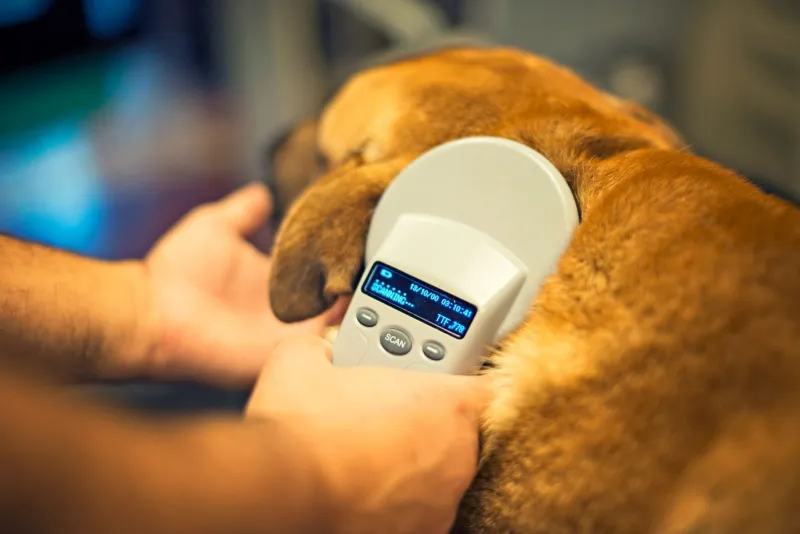
Photo: veterinarian scanning microchip on dog at animal clinic, via www.truecareveterinaryhospital.com
Every year around July 3rd, the pattern starts all over again. A Lab slips its leash at Baby Beach when the first firework cracks. A cat bolts through a propped door in Lantern District while the family loads the car. By the morning of the 5th, shelters across Orange County are dealing with a wave of frightened, collarless animals — and someone's best friend is sitting in a kennel, two miles from home, with no way to say their name.
We call it lost pet season, and in Dana Point, it's as predictable as the fog burn-off. The good news? It's also one of the most preventable problems we see all year.
Why Early July Sends Pets Running
Fireworks are the obvious culprit. Dogs hear sounds at frequencies and volumes we can't imagine, and the crack-and-boom of a professional-grade aerial shell can trigger full-blown panic. But the holiday piles on other stressors, too:
- Crowded beaches and parks. Doheny State Beach and the Harbor trails swell with visitors, unfamiliar dogs, and dropped food — plenty of reasons for a pet to wander past their usual boundaries.
- Open gates and propped doors. Holiday hosting means constant foot traffic. It only takes one forgetful guest.
- Unfamiliar travel. Pets visiting from out of town, or locals staying with relatives, don't know the neighborhood well enough to find their way back.
- Late-night routines. Evening potty breaks happen during peak firework hours, when even a calm dog can spook and slip a collar.
A panicked pet doesn't think like a pet on a normal walk. They run flat-out in one direction, sometimes for miles, and they don't come when called. That's why identification matters so much — not for the pet who stays, but for the pet who goes.
The Life Raft: How Microchips Actually Work
A microchip is about the size of a grain of rice, implanted under the skin between the shoulder blades in seconds — no more painful than a routine vaccine. It has no battery and no GPS. Instead, it stores a unique ID number that a handheld scanner reads when your pet arrives at a shelter, animal control facility, or veterinary hospital.
Here's the part that surprises people: the chip itself doesn't find your pet. The registration does.
If your chip was placed at our hospital, your information was entered into a national registry at the time. But pets change phone numbers, move apartments, get rehomed after a divorce, or get adopted with a chip that still lists a previous owner three states away. A scanner can only return whatever's in the database.
Quick self-audit:
- Find your pet's chip number on their adoption or implantation paperwork.
- Look it up at the AAHA Pet Microchip Lookup tool (petmicrochiplookup.org) to see which registry holds it.
- Call or log in and confirm your current phone number and address.
- Add a backup contact — a friend or family member outside the area. Shelters can't always reach a local number if you're traveling on the holiday itself.
If you don't know whether your pet has a chip, stop by. It takes us about thirty seconds to scan, and we do it for free. If they're not chipped, it's a quick visit — and for most pets, we can do it during a routine exam or even a nail trim appointment.
Don't Ditch the Tag
Chips are brilliant, but they require a scanner. A neighbor who finds your dog at 8 p.m. on the Fourth can't scan a chip — but they can read a tag.
A flat collar tag with a current cell number is still the fastest ticket home. Consider adding a second tag or a slide-on collar plate with your number engraved, since jangling tags can wear down over years. If your dog's phone number is a landline you retired in 2019, today's the day to fix that.
For the holiday week specifically, some owners add a temporary paper tag or write their number directly on the collar with a permanent marker. It's not glamorous. It works.
The First 48 Hours: A Step-by-Step Plan
If your pet bolts despite everything, speed matters. Most recovered lost pets are found within the first two days — here's what to do.
Hour 1:
- Search your immediate neighborhood on foot, calling in a calm, normal voice. Panic-yelling can scare a hiding pet deeper into cover.
- Leave your pet's bedding, your worn t-shirt, and water at the spot they escaped. A lost dog will often circle back to a familiar scent overnight.
- Check under decks, cars, bushes, and in drain culverts — scared dogs hide first, run later.
First 24 hours:
- Call every shelter in the county, not just the closest one. For Dana Point, that includes the Animal Care Centers serving south Orange County. File a found-pet report and visit in person — descriptions over the phone are unreliable.
- Post to Nextdoor, neighborhood Facebook groups, and local lost-pet pages. Include a clear photo, the exact location, date, and your phone number.
- Notify us. We keep records of lost and found pets reported by clients and often hear about found animals before shelters post them.
First 48 hours:
- Print and post flyers at the Harbor, dog parks, coffee shops, and trailheads. Offer a reward — it motivates people who might otherwise hesitate.
- Drive slowly at dawn and dusk with windows down, calling your pet's name. Lost dogs are most active in low-light, quiet hours.
- Never chase a sighting. Sit down, toss treats, and wait. A spooked dog will bolt again.
One more tip: if you find a lost pet, scan for a chip first. Most vet hospitals, including ours, will scan a found animal for free, no appointment needed.
Your Pre-Holiday Pet ID Checklist
Print this out and run through it before the weekend of the 4th:
- Scan confirmed: pet's chip is readable and I know the number
- Registry updated: current phone, address, and a backup contact
- Collar tag legible with a cell number that answers
- Collar fits properly — two fingers slide under, no more
- Recent photo of your pet on your phone (face and full body)
- Vet hospital and county shelter numbers saved in your contacts
- Pets secured indoors or on leash during firework hours
- Guest reminders posted: keep doors and gates closed
One Small Chip, One Big Difference
We've watched microchips reunite families with pets found months later, states away. We've also watched the heartbreak of a beautiful, friendly dog with no chip and no tag — unclaimed, because nobody knows who to call.
This July, give your pet a life raft. Ten minutes to verify a chip and swap out a worn tag might be the most important appointment you make all summer. Give us a call or book online — we'll have you holiday-ready in one quick visit.