Nose to Tail: What Your Vet Is Really Checking During That Annual Exam
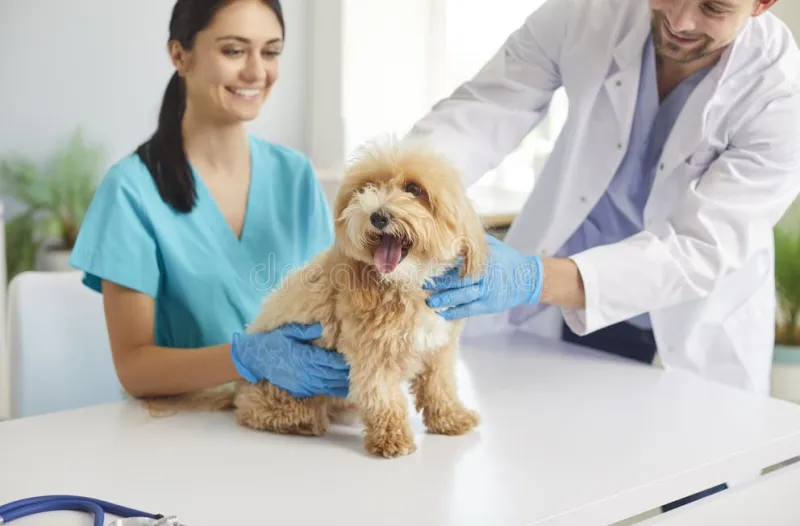
Photo: veterinarian examining happy dog on exam table, via thumbs.dreamstime.com
Your dog bounds through our door, tail thumping against the exam room wall. Your cat sulks in her carrier, plotting your demise. Either way, the next thirty minutes are some of the most valuable minutes of your pet's year — and most owners have no idea what's actually happening while we're poking, prodding, and murmuring things like "good dental alignment" into our notes.
Let's pull back the curtain.
It Starts Before the Stethoscope Comes Out
The moment we walk into the room, we're already examining your pet. How they move across the floor tells us about joints and neurology. Their posture, their breathing, their response to your voice — it's all data. A pet that hops rather than walks might be compensating for a sore knee. One that's suddenly chatty might have thyroid changes brewing.
This is also when we want to hear from you. Have you noticed more water in the bowl? A midnight zoomie session that's actually restlessness? Skipped meals? Small changes at home are often the first clues to big problems, and you're the only one who can report them.
The Scale Doesn't Lie
Yes, the weigh-in feels a bit personal for both of you. But a pet's weight trend is one of the most powerful health indicators we have. A two-pound gain on a beagle is the equivalent of twenty pounds on a person — and gradual weight creep is easy to miss at home when you see your pet every day.
We're also feeling body condition, not just weight. Ribs you should be able to feel but not see, a waist that tucks — these hands-on checks tell us whether that number on the scale is muscle, fluff, or a problem.
Eyes, Ears, and Everything In Between
Next comes the head-to-toe sweep, and each stop has a purpose:
- Eyes: We check for cloudiness, pressure changes, and signs of glaucoma or cataracts. Sudden vision loss often goes unnoticed by owners until it's advanced, because pets compensate remarkably well.
- Ears: A quick peek can reveal infections, mites, or allergies making themselves known. That salt air our coastal pups love? It can stir up ear trouble in floppy-eared breeds.
- Mouth: This is where we find the tartar, the fractured tooth hiding behind a perfectly cheerful grin, or the gum tumor nobody saw coming. Dental disease affects the majority of adult pets and can impact the heart and kidneys when it's left alone.
- Skin and coat: Fleas, lumps, dry patches, hot spots. We're feeling for masses and mapping anything new since last year — because "was that bump there before?" is a question we can only answer with records.
The Heart of the Matter — Literally
The stethoscope moment isn't ceremony. We're listening to heart rate and rhythm, checking for murmurs that can signal valve disease, and assessing lung sounds for anything from bronchitis to early heart failure. Cats are especially good at hiding heart disease, and a murmur caught at a routine visit can add years of quality life with the right management.
We'll also palpate the abdomen — feeling for kidney size, bladder stones, organ changes, or discomfort — and check lymph nodes for swelling that might indicate infection or something more serious.
Why "It's Just Shots" Is a Costly Assumption
Vaccines matter, and we tailor them to your pet's actual lifestyle — a harbor-hiking trail dog needs different protection than a sunbeam-loving indoor cat. But the exam itself is where the real early-detection work happens.
Pets age faster than we do. An annual (or twice-yearly for seniors) exam is like a human seeing their doctor every four to five years — except we're doing it every twelve months. Skipping visits doesn't pause disease; it just delays discovery until symptoms show up. And by then, treatment is usually harder, longer, and pricier.
Come With Questions
The best wellness exams are conversations. Bring your list: Is this lump normal? Is his breath supposed to smell like that? She's drinking a lot — is that okay? We'd rather answer ten "silly" questions than miss the one that mattered.
Your pet gives you their best every single day. Thirty minutes a year to make sure everything's running smoothly underneath all that tail-wagging? That's the easiest promise you'll ever keep them.