Pass the Turkey, Skip the Panic: A Room-by-Room Thanksgiving Plan for Harbor Pets
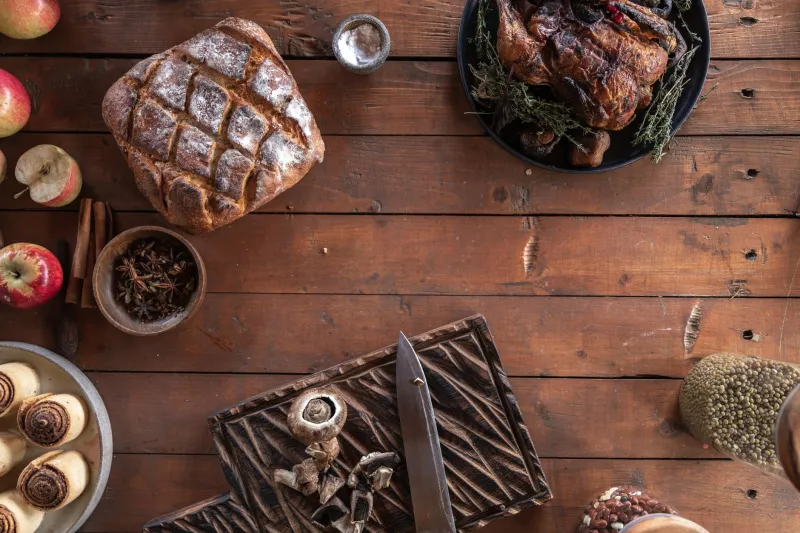
Thanksgiving in a harbor town has its own rhythm. The paddleboarders still head out in the morning. By two in the afternoon it is usually mild enough that somebody props the patio door open. And somewhere between the bird going into the oven and the first guest ringing the bell, the family dog begins doing slow, hopeful laps around the kitchen island.
That is the version of the holiday worth planning for. Not a perfectly controlled event, but a realistic one: a house full of people, a lot of food at tail height, and doors opening every nine minutes.
Start with the rooms, not the recipes
Most holiday pet emergencies we hear about do not start at the dinner table. They start in the five minutes when nobody is looking at the floor.
The kitchen. This is ground zero. Turkey twine, foil wads, the plastic pop-up thermometer, drippings poured into a pan on the floor, and a trash bag that smells like the best day of your dog's life. Move the trash to a lidded can in the garage before the turkey even comes out. Nothing scented should sit on the floor, ever, not even briefly.
The dining room. Big dogs do not need to jump to reach a plate. They need a plate within a nose's reach of a chair edge. Push chairs in when people get up. If you have a chill, patient dog, a mat a few feet back from the table with a long-lasting chew works better than shooing them away fifteen times.
The entry. This is where escapes happen. Guests arrive with bags, kids, platters, and zero knowledge of your dog's door-bolting habits. A baby gate across the entry hallway costs almost nothing and solves almost everything. So does telling people, at the door, "Don't let the dog out — she's a runner."
The patio. November in Dana Point is exactly the kind of weather that keeps the slider open. Check the screen latch and the side gate before guests arrive, and again after the second round of appetizers.
The garage and the trash run. Turkey carcasses go out in a sealed can, not to the side yard, and not to the curb bag that gets torn open at dusk.
Course by course: what actually matters
Appetizers. The danger here is small and quiet. Grapes and raisins are toxic to kidneys. Macadamia nuts can cause tremors and weakness. Salted nuts and heavy cheese boards are a fat bomb. Dips often carry onion or garlic powder, both of which are worse for pets than most people expect. A cheese cube dropped and forgotten is not a crisis; a dog who cleans up the whole board is.
The turkey. Plain, skinless white meat in a small amount is fine for most dogs. Everything attached to it is not. Poultry bones splinter. Skin and drippings can trigger pancreatitis. Brined birds are loaded with salt. And the string, netting, and thermometer are the classic Thanksgiving foreign-body cases.
The sides. Stuffing usually contains onion, garlic, and sometimes raisins. Green bean casserole brings dairy, mushrooms, and fried onions. Loaded mashed potatoes are butter and cream. None of these are poison in a single lick, but all of them are a recipe for a miserable night of vomiting and diarrhea — or worse, for a dog with a sensitive pancreas.
Desserts. This is where xylitol lives. It shows up in sugar-free pies, sugar-free gum, some peanut butters, and "healthy" baked goods, and it can cause dangerous low blood sugar and liver injury in dogs. Chocolate, rum cake, and raisin-studded bread pudding round out the list. If you want the simplest rule of the day: no dessert reaches a pet, ever, from any hand.
Drinks. Punch bowls, wine glasses on the coffee table, and coffee cups on the floor are all tail-height hazards. Alcohol and caffeine are both genuine toxicities in small dogs.
If your pet sneaks a bite
It happens. Guests are human beings and food falls.
First, do not panic and do not induce vomiting unless a veterinarian tells you to. Note what was eaten, roughly how much, and what time. Keep the packaging — the ingredient list matters more than the food itself. Then call us or a poison hotline. The ASPCA Animal Poison Control Center (888-426-4435) is available around the clock; it does charge a consultation fee, which is worth knowing before you dial.
Watch for vomiting, diarrhea, a hard or painful belly, restlessness, pacing, drooling, trembling, or a "praying" posture with the rear end up. Pancreatitis signs often do not show up until a day or two later, so a dog who seems fine at ten o'clock that night is not fully out of the woods.
The twenty-minute prep that saves the evening
Set up one quiet room before guests arrive: door closed, white noise or a radio, water, a bed, and a frozen stuffed toy. Put a note on the fridge listing what is toxic and the number for your vet. Check that the collar tag is legible and the microchip registration is current — holiday weekends are some of the busiest for lost-pet calls, and a working tag is the cheapest insurance in the house.
Then let the day be what it is. Your dog does not need to attend the meal. They need a closed door, a good chew, and a family that knows where the grapes went.
Happy Thanksgiving from all of us by the water. If something goes sideways, call.