Sand in the Sinuses or Something Serious? Decoding Your Dog's Post-Beach Sniffles
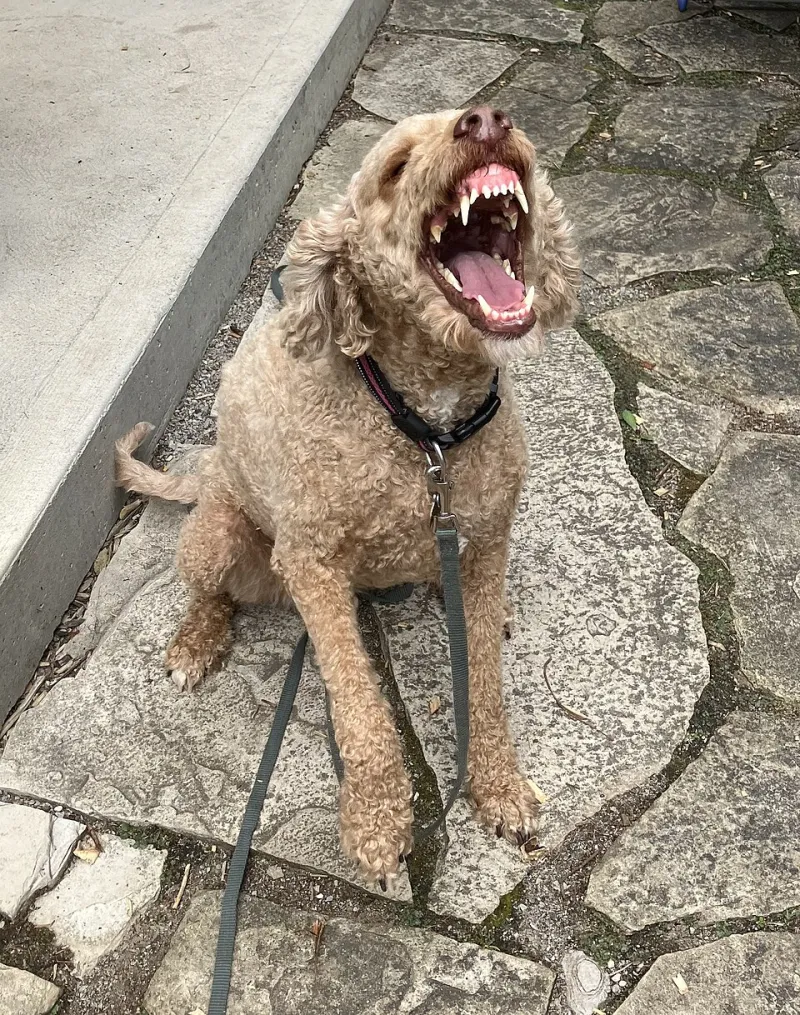
Photo: Gogerr, CC BY-SA 4.0, via Wikimedia Commons
That Sneeze on the PCH Drive Home
You've just spent the morning at Doheny State Beach. Your dog body-surfed, dug three craters in the sand, and stuck her nose into every tide pool she could find. Now, buckled in the back seat, she lets out a sneeze. Then another. By the time you hit Pacific Coast Highway, you're wondering: is this a "beach cold," or is something wrong?
Here's the good news: dogs don't actually catch human-style colds from sea air. But coastal outings do come with their own menu of respiratory troublemakers, and knowing which is which can save you a panicked trip — or get your pup seen fast when it matters.
The Harmless Stuff: Sand Sniffles and Salt-Air Irritation
Let's start with what usually isn't a problem. A few sneezes right after a beach day are often exactly what they look like: irritation. Sand grains, dried salt spray, and whatever mystery dust lives in dune grass can tickle a dog's nasal passages. You might also see a brief "reverse sneeze" — that alarming snorting, honking sound where your dog sucks air inward. In most dogs, reverse sneezing looks scarier than it is and passes in under a minute.
If the sneezing stops once you're home, your dog is eating, drinking, playing, and breathing normally, you're probably in the clear. A quick wipe of the snout and some fresh water usually wraps up the story.
The Contagious Stuff: What Your Dog Caught at the Dog Park
The beach itself rarely spreads illness — but the gathering spots around it do. Dog parks, boardwalks, daycares, and boarding kennels are where kennel cough (canine infectious respiratory disease complex) makes its rounds. And here's the catch: symptoms typically show up two to ten days after exposure, long after the fun outing that spread it.
What to watch for:
- A dry, honking cough — often described as sounding like your dog is trying to clear a hairball
- Gagging or retching at the end of a coughing fit, sometimes with white foam
- Sneezing and a runny nose alongside the cough
- Normal energy and appetite in mild cases — this is the classic kennel cough signature
Most healthy, vaccinated dogs ride out kennel cough like a human rides out a chest cold: miserable for a week or two, then fine. But it's highly contagious, so keep your pup away from other dogs and call us before bringing them into the clinic — we'll triage over the phone and set up a low-contact visit if needed.
The Age-Related Stuff: When a Retriever's Bark Changes
If your dog is a senior — especially a large breed like a Labrador or Golden Retriever, two of the most common dogs on Dana Point trails — pay attention to a different set of sounds. Laryngeal paralysis is a condition where the cartilage flaps of the voicebox stop opening properly during breathing. It's common in older large-breed dogs and often mistaken for "just aging."
Red flags include:
- A raspy or noticeably bark change — hoarser, quieter, or different in pitch
- Loud, labored breathing, especially in heat or after exercise
- Loud panting that doesn't match the activity level
- Exercise intolerance — tiring fast on walks they used to love
- In advanced cases, a roaring noise when breathing in
This one matters because laryngeal paralysis can progress, and dogs with it overheat dangerously easily. Coastal humidity and warm afternoons on the harbor can push a compromised airway into real distress. It's not an emergency at the first raspy bark, but it absolutely deserves a scheduled exam — and sooner rather than later.
Your Decision Framework: Watch, Call, or Come In?
Here's the simple triage we give harbor-area pet owners:
Monitor at home when: Sneezes started right after a beach day, there's no cough, breathing is quiet and easy at rest, and your dog is bright, eating, and drinking. Give it 24–48 hours.
Call us the same day when: The cough is persistent or honking, nasal discharge is thick, yellow, or green, there's blood in the discharge, your dog is pawing at the face (a possible foxtail or grass seed up a nostril — common after sniffing around coastal scrub), or a senior dog's bark or breathing has changed.
Come in immediately (or head to emergency care) when: Breathing is labored at rest, gums or tongue look blue or pale, your dog can't settle or is standing with an outstretched neck struggling for air, or a brachycephalic breed (Bulldog, Pug, Boston Terrier) is working hard to breathe. Airway emergencies are the real deal.
What to Tell Us When You Call
A two-minute phone call goes a long way. Have this handy:
- When symptoms started — and whether it was within days of a park, beach, or boarding visit
- What the sound is like — sneeze, honking cough, reverse sneeze, or noisy breathing (a phone video of the sound is gold)
- Vaccination status — especially bordetella and canine influenza
- Your dog's age and breed — seniors and flat-faced breeds get bumped up our priority list
- Anything unusual they might have snuffed up — sticks, seaweed, sand, dead fish
Breathe Easy, Harbor Friends
Most post-beach sneezes are just the ocean saying hello. But your dog's breathing is one system where "let's wait and see" should have limits. When in doubt, call — that's what we're here for. And if your beach-day routine includes dog parks or boarding, make sure bordetella and canine flu vaccines are current before summer crowds roll in.
Schedule a respiratory check or a senior airway exam online, or give us a call. We'd rather hear a false alarm on the phone than a real emergency at the dock.