The Doorbell Is Not an Emergency: Hosting Holiday Guests With a Shy Dog or Cat

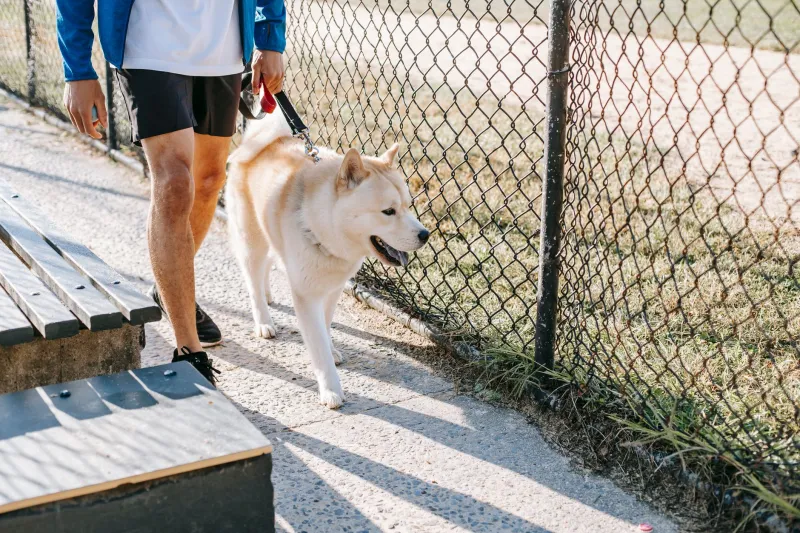
Photo: shy dog hiding under table during family holiday gathering at home, via clipart-library.com
The doorbell rings, and in about four seconds your house divides into two populations: the people who are delighted to see each other, and the animal who has just been told, without warning, that the floor plan is now under new management.
Holiday hosting gets discussed in terms of seating and side dishes. For the shy dog or the cat who rules the back bedroom, it's a logistics problem with real welfare consequences. The good news is that almost all of it is preventable with about an hour of setup and a handful of sentences your guests can repeat back to you.
The problem isn't the people. It's the disappearing escape routes.
A nervous pet isn't usually upset by the presence of a stranger. He's upset that the stranger blocks the hallway, sits in his spot on the couch, and leaves a suitcase at the bottom of the stairs. Predictability and exits are what keep animals calm. Guests are, by nature, unpredictable and exit-blocking.
So the whole plan comes down to protecting two things: a reliable quiet room, and a route the pet can use without passing through a crowd.
Set it up 48 hours early
Don't wait for the doorbell. Two days out:
- Choose the safe room. A back bedroom or a bathroom that guests will not enter, ideally with an interior wall away from the front door. Cats do better with vertical space in that room — a cat tree or a closet shelf to perch on.
- Move in the basics. Litter box, water (not right next to food), food, a bed with a familiar smell, a couple of toys, and a worn T-shirt of yours.
- Add white noise. A fan or a sound machine takes the edge off doorbells, laughter, and the kitchen clatter.
- Consider a pheromone diffuser. Plug it in a few days ahead rather than the morning of; these take time to build up.
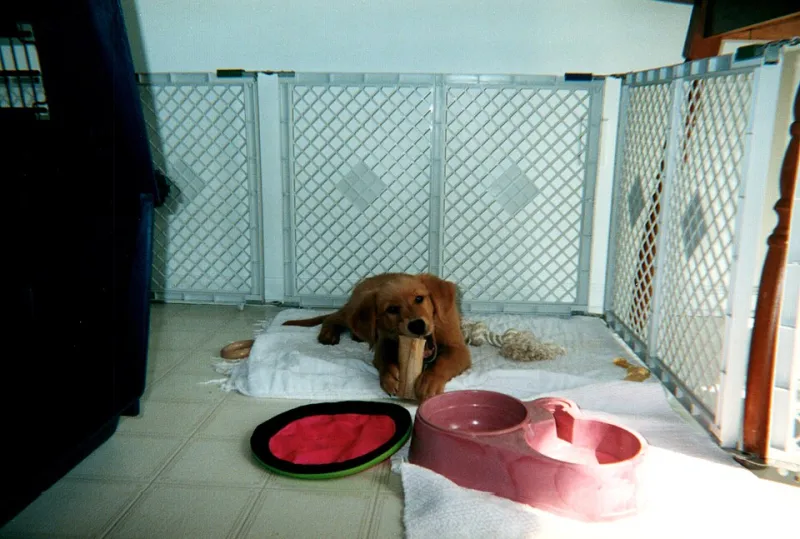
- Set up a barrier. A baby gate near the hallway junction lets a pet see and smell the household while keeping a safe distance.
The safe room should be primed and normal-feeling before the guests arrive, so it's not "the scary room we put you in." Let your pet choose to hang out there for a few hours with the door open.
Room by room, the quick version
Entryway. This is the pressure point. If you can, meet guests at the door with the pet already settled elsewhere. Greet outside if the weather allows. Suitcases come in and go straight to a closed room — not piled in the hall where a nervous cat will be forced past them a dozen times.
Living room. Give the pet a route around the room rather than through it. Move a chair to create a path. Keep the highest-value resting spot (the dog bed in the corner, the cat shelf by the window) as a no-guest zone.
Kitchen. Highest risk room in the house in December. Chocolate, raisins, macadamia nuts, onions, xylitol gum in a purse, and a hot stove with people stepping backward. Keep pets out entirely during cooking, and remind guests that their plates are not shareable.
Bedrooms. Guests' bedrooms should be off-limits to the pets, and the pet's bedroom off-limits to guests. Both directions matter.
Deck, patio, and side gate. Holiday hosting means doors propped open for airflow and people carrying things. Walk the perimeter and confirm gates latch. A coastal cottage with a loose side gate and a party in progress is the classic lost-cat setup.
Scripts your guests can actually use
The hardest part of protecting a shy pet is saying something to a well-meaning adult without making it awkward. Have a line ready. Short and boring works best.
- "Ignore her and she'll come to you. That's the whole trick."
- "Please don't reach toward her face — she prefers to do the approaching."
- "If he walks away, that's him saying no thanks. Nothing personal."
- "No scraps tonight, please. He's on a strict boring diet."
- "Don't let the cat out, even if she looks like she wants to go. She really doesn't."
Say it once at the door when everyone's still listening. Then say it again quietly to the one relative who needs it.
The body language cheat sheet
Consent test: Call the pet once, then wait. If he comes over and leans in, you're fine. If he approaches, takes a treat, and backs away, that's a no. If he doesn't come at all, don't go get him.
Dogs: relaxed loose tail with a full-body wag is a yes. A high, stiff, fast-vibrating tail is not. Also watch for tucked tail, ears pinned back, lip licking, yawning, turning the head away, whale eye, and a sudden freeze over the food bowl.
Cats: slow blinking and head bunting are friendly. Flattened ears, a twitching tail tip, dilated pupils in a well-lit room, a low crouch, or a hiss means the interaction is over. A cat who suddenly starts grooming mid-encounter is usually self-soothing, not relaxing.
The single most useful rule for both species: a pet who can walk away will almost never need to escalate. Guard the exit and the bite risk drops to nearly nothing.
When to skip introductions entirely
Some pets should simply not meet the guests this year. Skip it for: any pet with a bite or scratch history, older pets with hearing or vision loss who startle easily, a pet currently being treated for an illness or injury, a recently adopted pet still learning your house, and any pet whose stress shows up as hiding, not eating, or urinary accidents for days afterward.
That's not a failure of socialization. That's reading the room.
After the last car pulls away
Don't immediately throw the doors open. Give your pet a couple of hours, then let them set the pace for the reunion. Watch the next 48 hours for appetite changes, loose stool, hiding, or a cat who hasn't used the litter box. Holiday stress can nudge along urinary issues in cats and GI upset in dogs, and both are much easier to handle when caught early.
And if the crowd was too much and you're wondering whether a vet visit is warranted, that's a reasonable call to make rather than a dramatic one.