The Windowsill Watcher: Keeping Your Senior Indoor Cat Sharp, Happy, and Marina-Obsessed
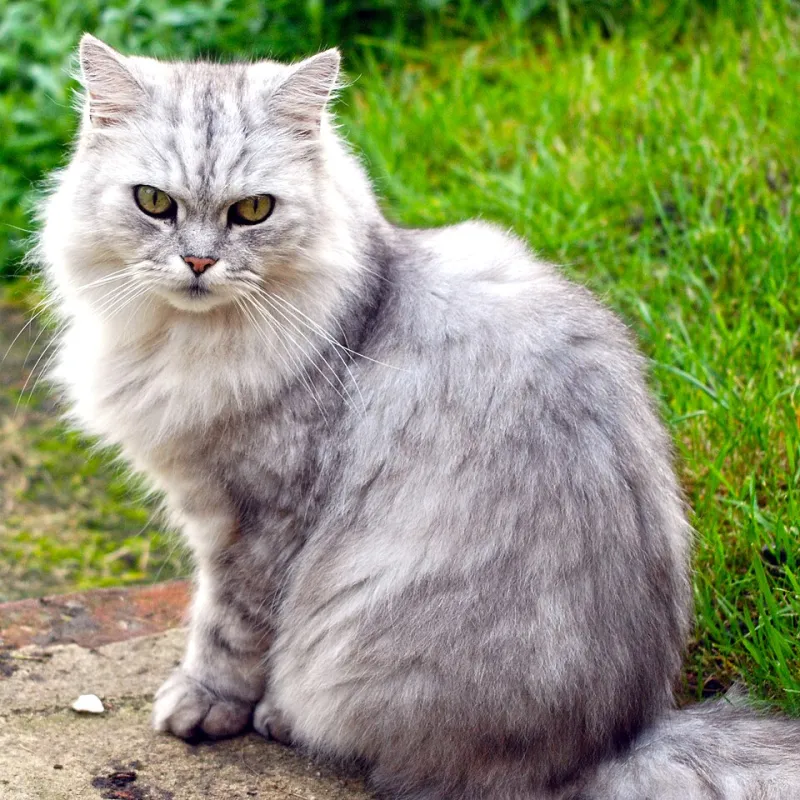
Photo: allen watkin from London, UK, CC BY 2.0, via Wikimedia Commons
The Best Seat in the House
If you live anywhere near the harbor, you've probably seen it: a cat perched on a cushion by the window, tail flicking, tracking pelicans and paddleboarders like it's a full-time job. For indoor senior cats in Dana Point, that windowsill is more than a sunny napping spot—it's a front-row seat to the marina's endless show.
But here's the thing we remind cat owners about at every senior checkup: watching the world isn't the same as engaging with it. As cats move into their golden years (generally age 11 and up), their need for mental stimulation doesn't fade. It just changes shape. And cats, being cats, are masters at hiding when something's off.
Why an Aging Cat's Brain Needs a Workout
Cognitive decline in cats is real, and it often flies under the radar because cats sleep so much anyway. The medical name is feline cognitive dysfunction, and it shares some features with dementia in people—confusion, disrupted sleep cycles, house-soiling, changes in vocalization, and withdrawal from interaction.
The encouraging news? An enriched environment is one of the best tools we have for slowing that slide. Studies on aging brains across species point to the same conclusion: novelty, gentle challenge, and predictable routines help keep neural pathways firing. Think of enrichment as your cat's crossword puzzle—except with feathers and treats.
Building the Ultimate Harbor View Retreat
Your cat doesn't need to chase seagulls to live well. They need a home environment that offers choice, comfort, and safe stimulation. Here's how we'd set it up:
Upgrade the windowsill. A sturdy window perch with a soft, washable cushion turns the marina, the Pilgrim, or even a busy bird feeder into all-day entertainment. For older cats with stiff joints, add a ramp or step stool so getting up there doesn't hurt.
Create a bird TV station. A feeder visible from a favorite perch gives your cat a reliable daily program. Bonus: it's zero-effort entertainment on days when arthritic joints say no to much else.
Rotate toys like a museum curator. Cats habituate fast. Keep a small rotation going—three or four toys out, the rest tucked away—and swap weekly so everything feels new again.
Puzzle Feeders and the Dinner-Time Brain Gym
If your senior cat still has decent mobility and appetite, food puzzles are the single best enrichment investment you can make. Start easy: a treat ball that dispenses kibble with a gentle nudge. As your cat gets the hang of it, level up to snuffle mats or slider puzzles.
A few cautions for seniors:
- Keep sessions short. Ten minutes of puzzling beats a frustrating half hour.
- Watch the frustration level. If your cat walks away, make it easier. Enrichment should build confidence, not stress.
- Factor in dental health. Many senior cats have sore teeth. If your cat seems reluctant to work for food, that's worth a dental check before you blame laziness.
Gentle Play: Still a Kitten at Heart (Sort Of)
Play doesn't retire when your cat does—it just slows down. Swap the acrobatic wand sessions for low-key versions: a feather toy dragged slowly along the floor, a crinkle ball batted from a comfy bed, or short two-minute sessions a few times a day.
Follow your cat's lead. Some fourteen-year-olds still surprise everyone; others prefer supervising from the cat tree. Both are fine. The goal is engagement, not athletics.
When to Bring Your Windowsill Watcher In
Because cats are so good at masking decline, we tell owners to watch for these shifts rather than dramatic symptoms:
- Yowling at night or changes in sleep-wake patterns
- Staring at walls or getting "stuck" in corners
- Missing the litter box, especially with new locations
- Reduced grooming or a scruffy coat
- Confusion around familiar routines or people
- Sudden clinginess or unusual withdrawal
Any of these deserve an exam. Many conditions that mimic cognitive decline—high blood pressure, hyperthyroidism, arthritis, vision loss—are treatable or manageable, especially when caught early. Twice-yearly wellness visits are our recommendation for cats over 11, and they're quick to book right here at the harbor.
The Bottom Line
A senior indoor cat with a sunny perch, a rotating cast of toys, a puzzle feeder, and a human who notices the small stuff? That's not just a comfortable retirement—that's a rich one. And if you ever wonder whether a change you're seeing is normal aging or something more, that's exactly what we're here for.
Bring your windowsill watcher in for a senior wellness visit, and let's keep those marina views interesting for years to come.